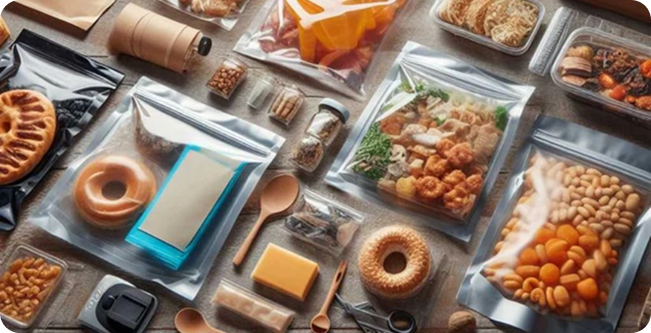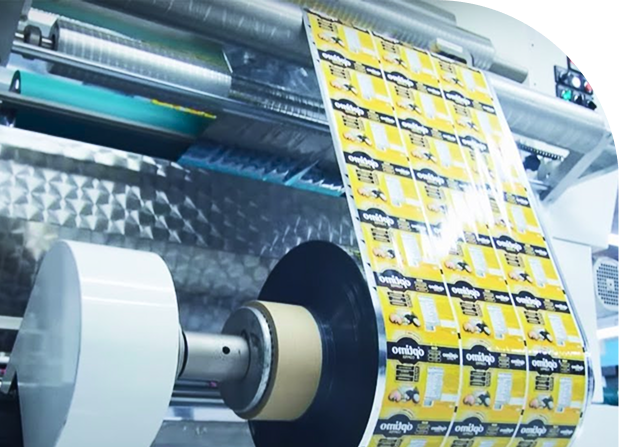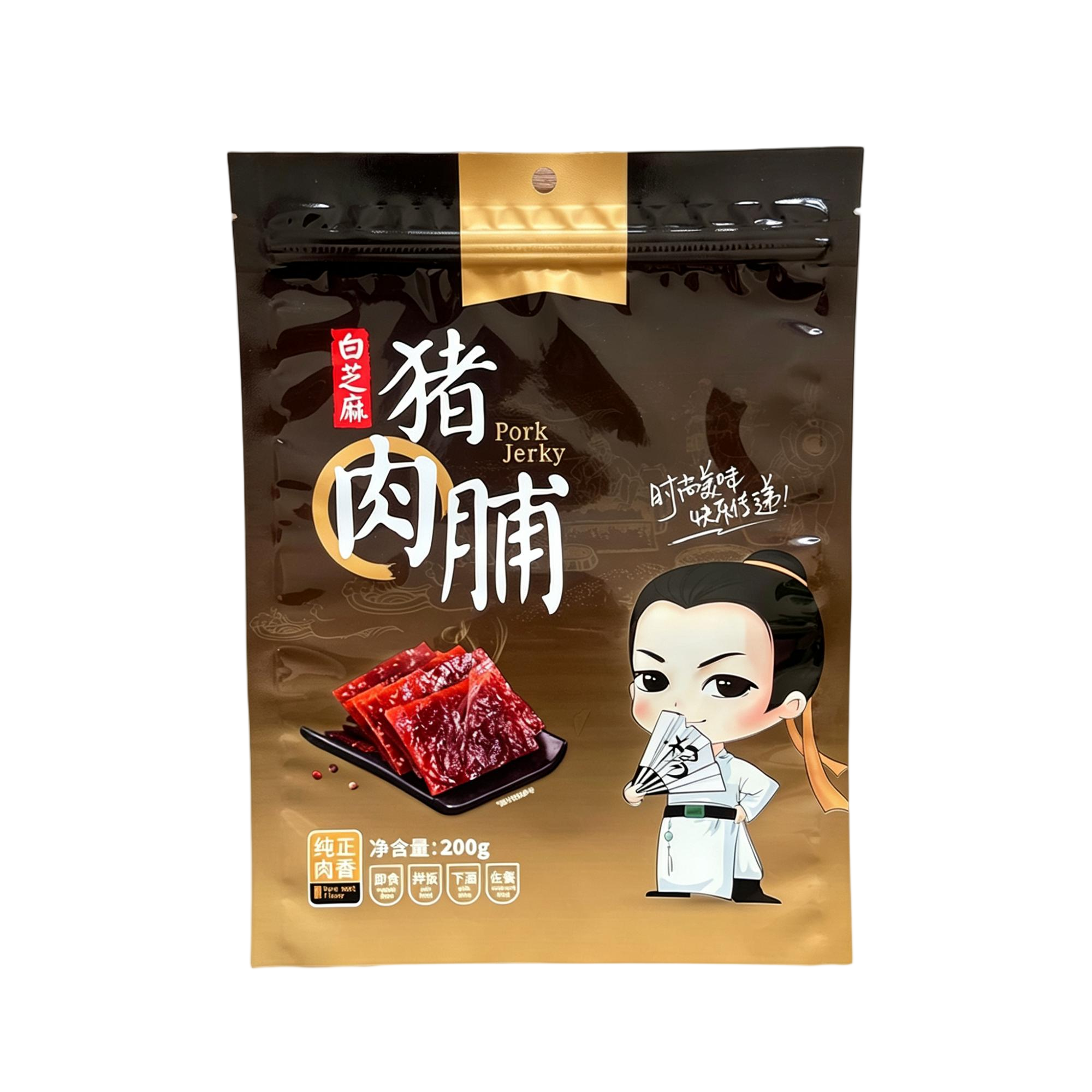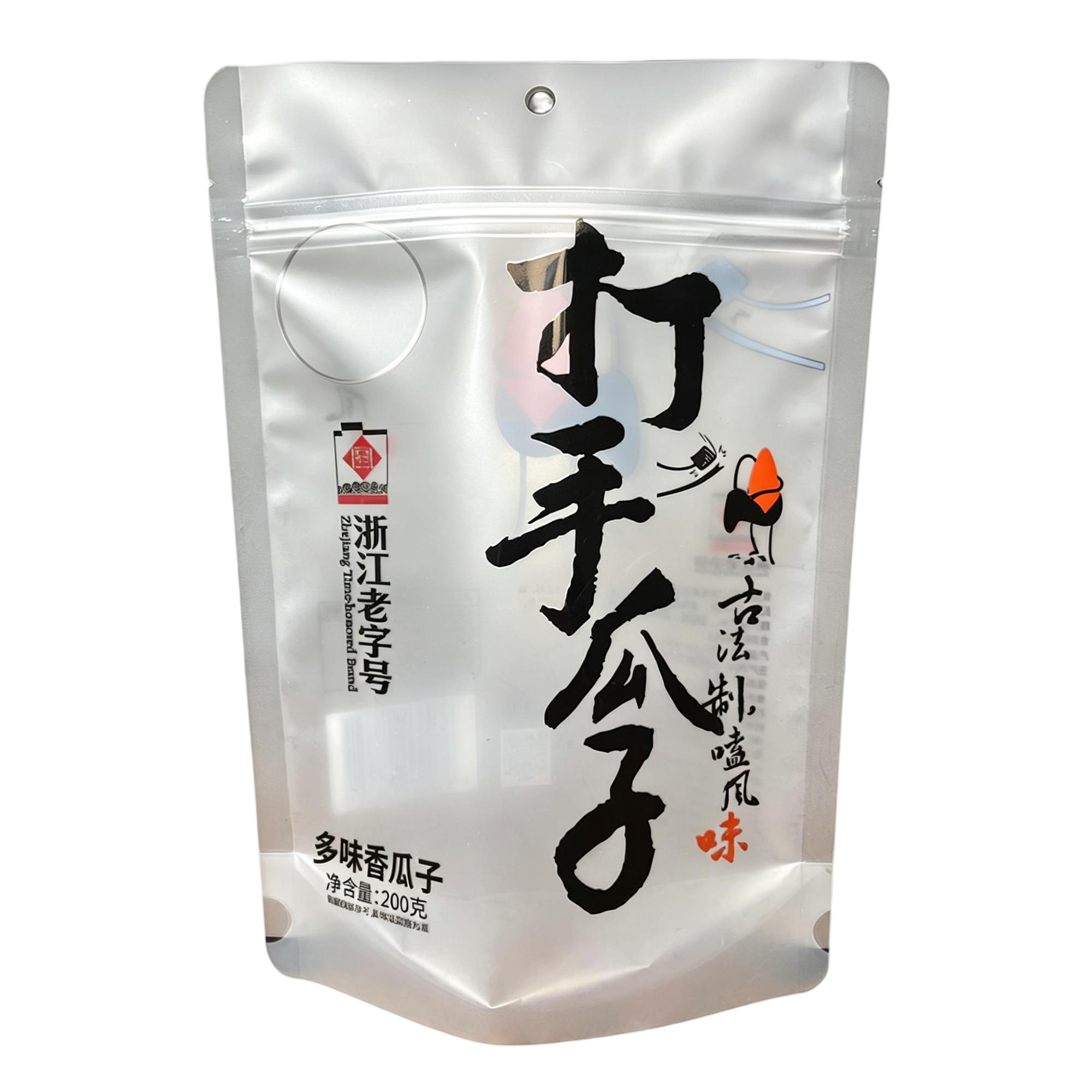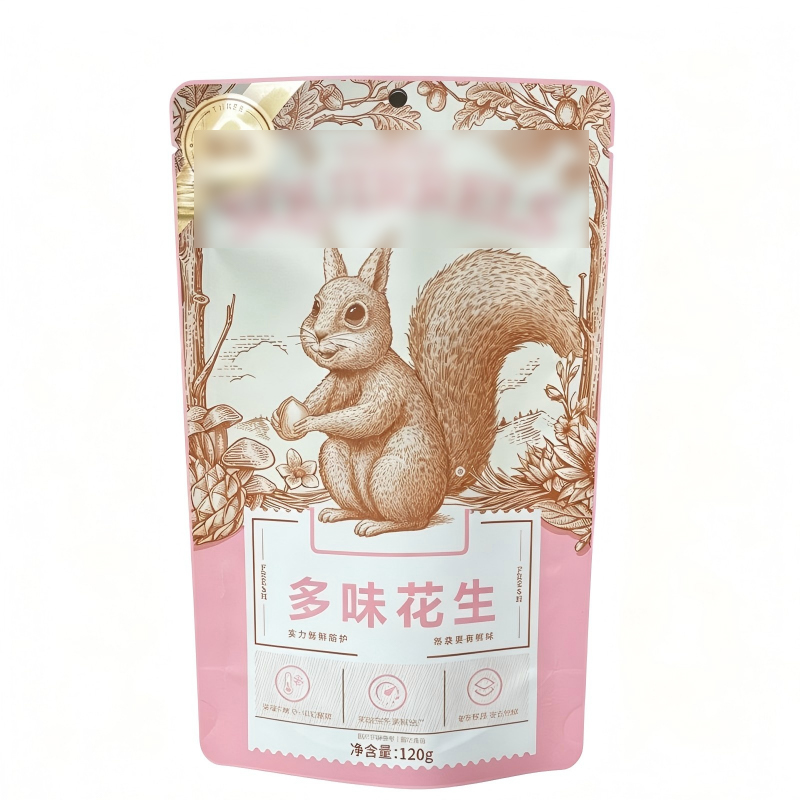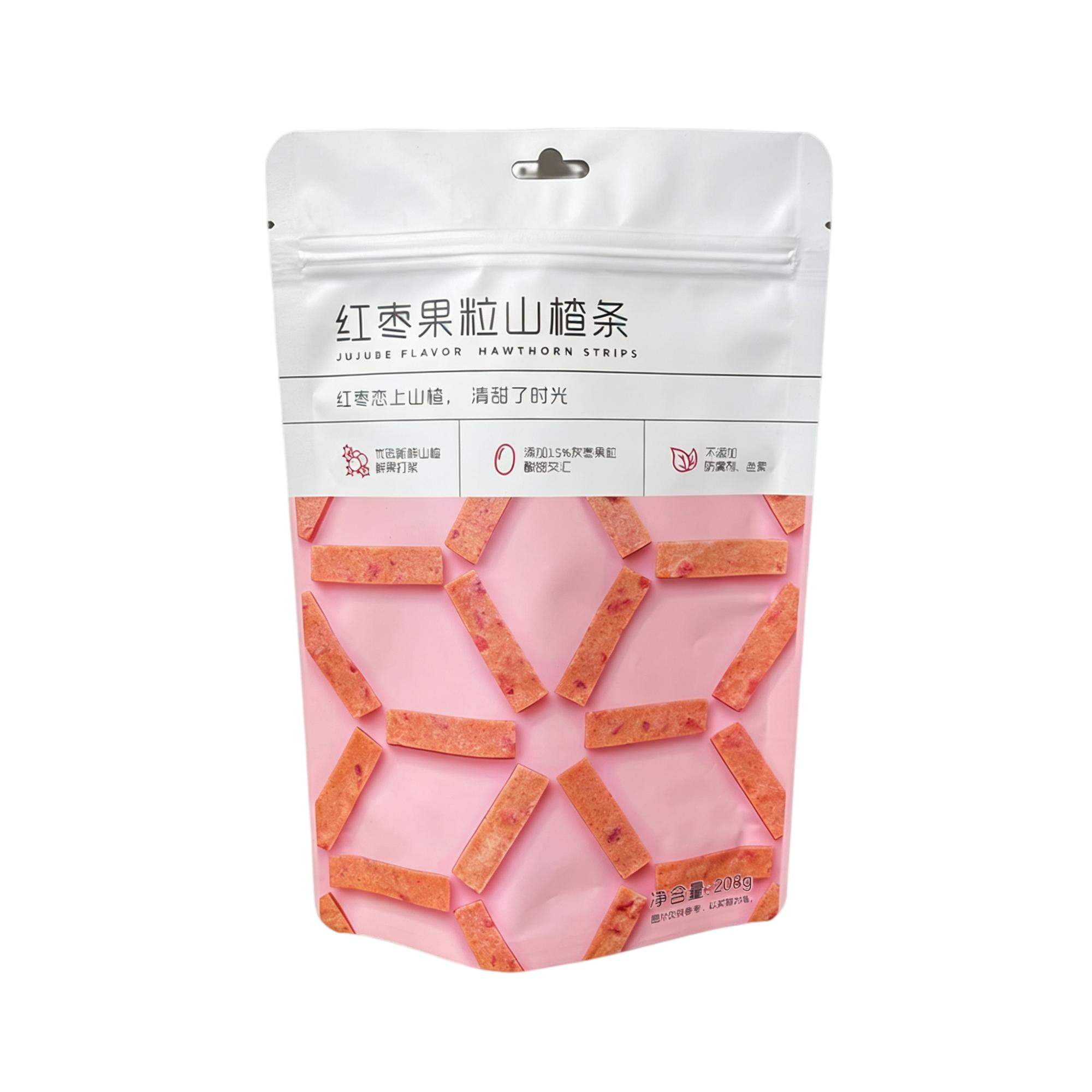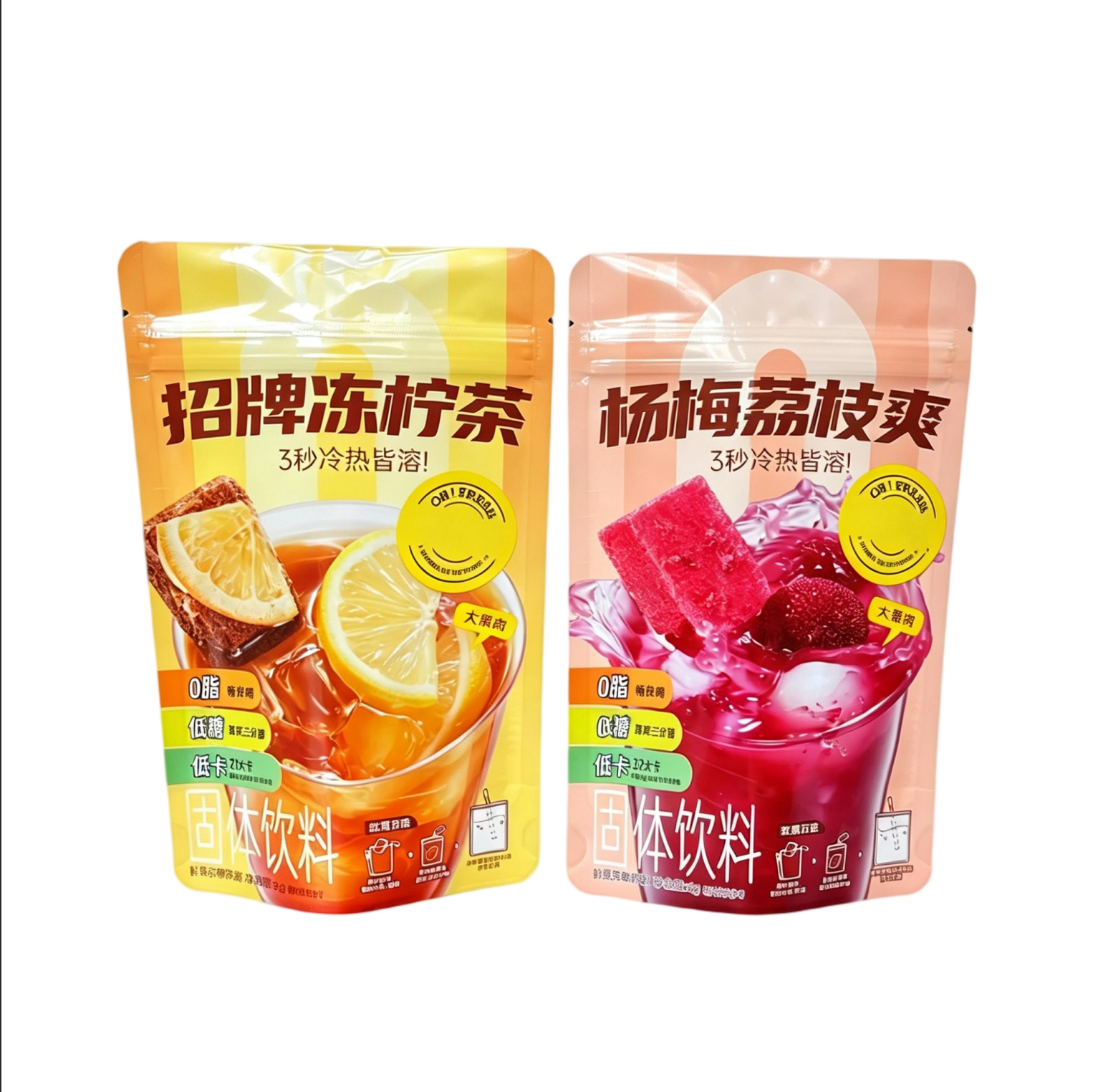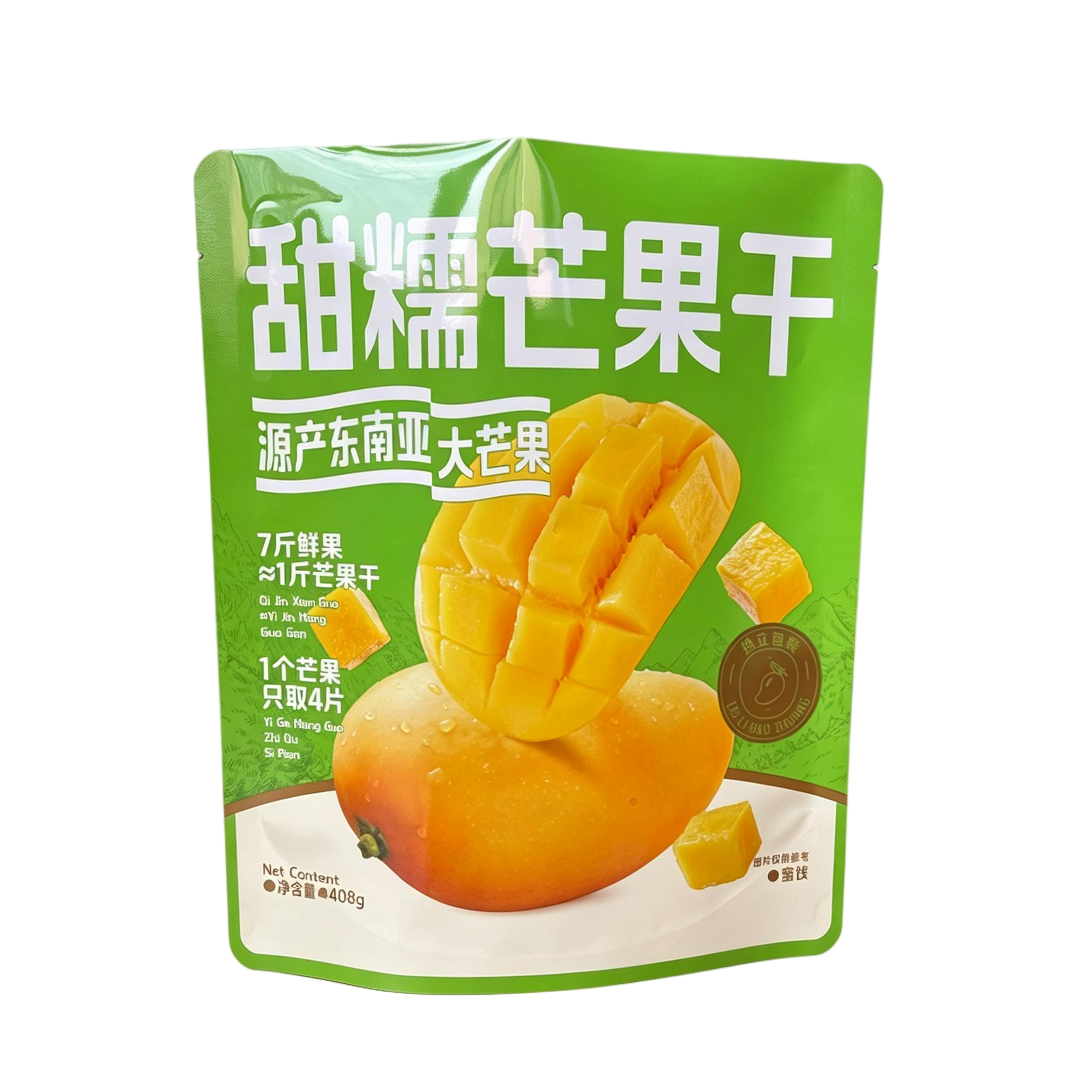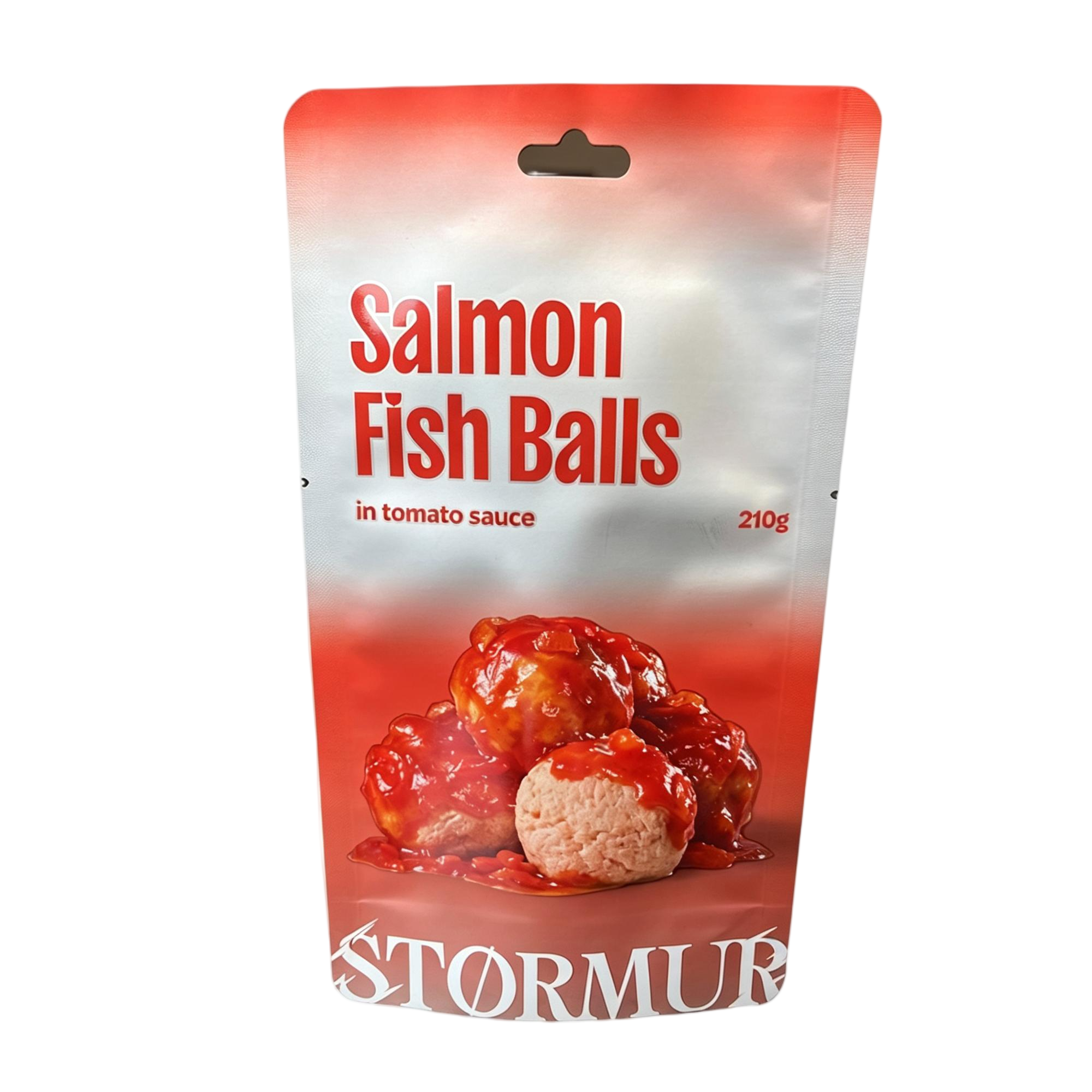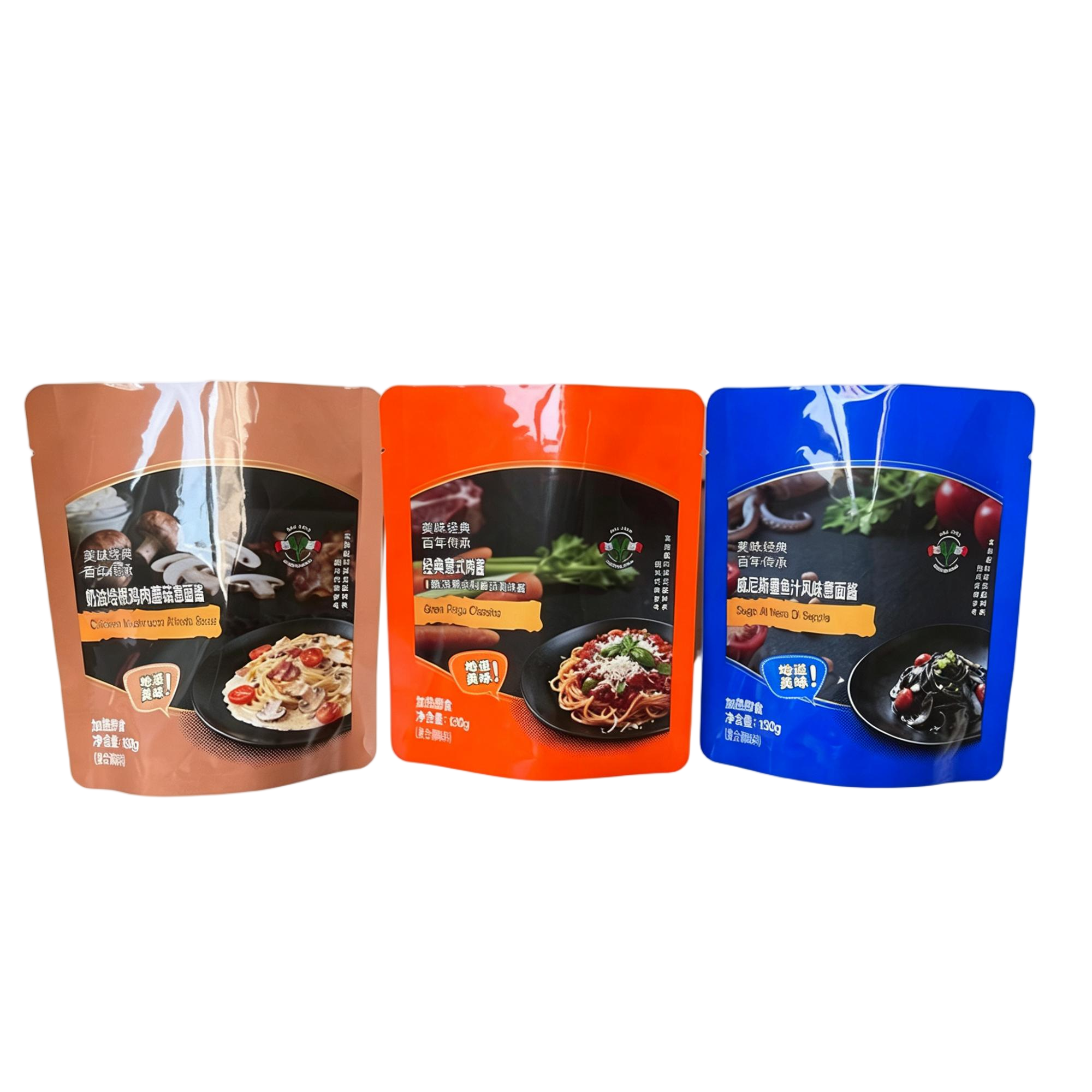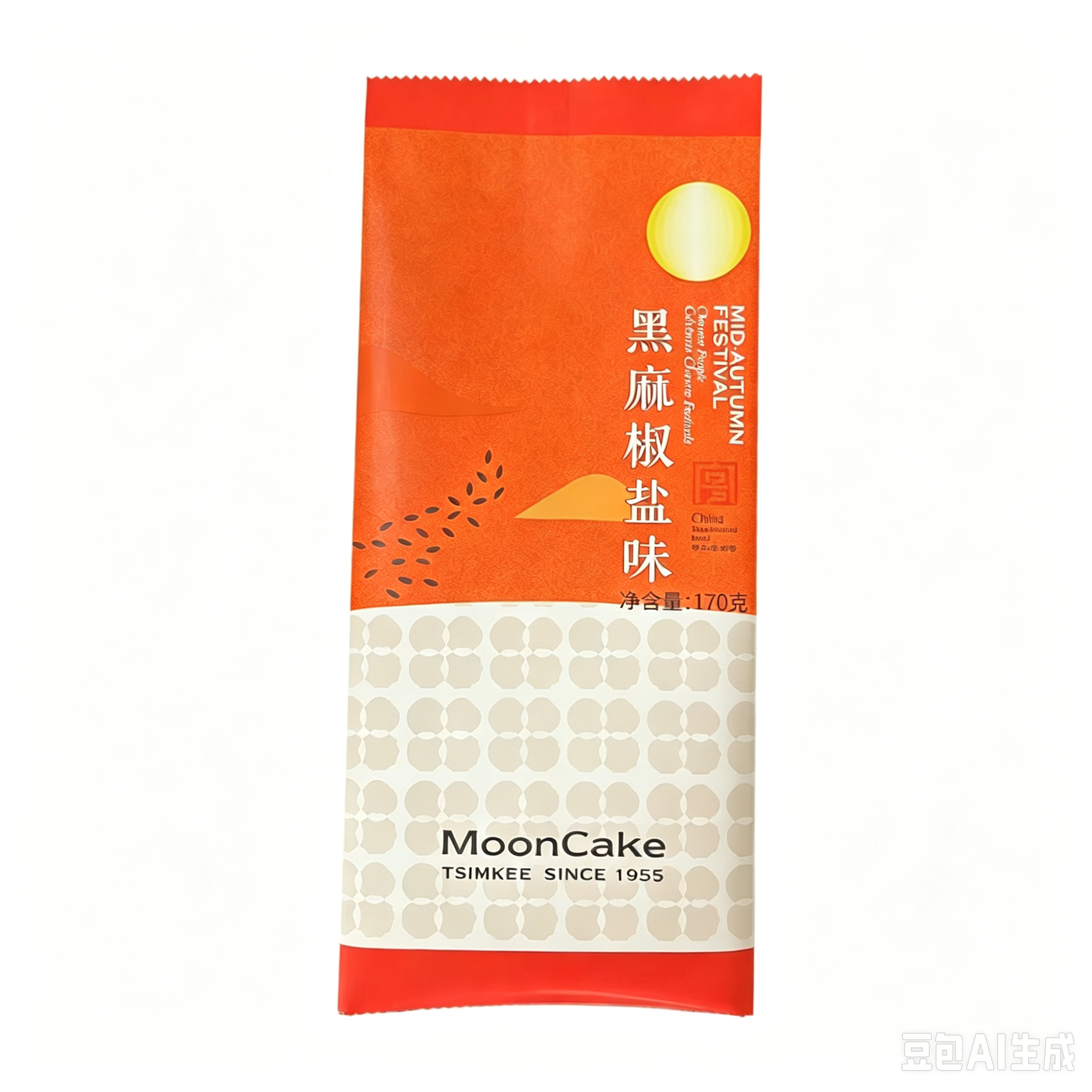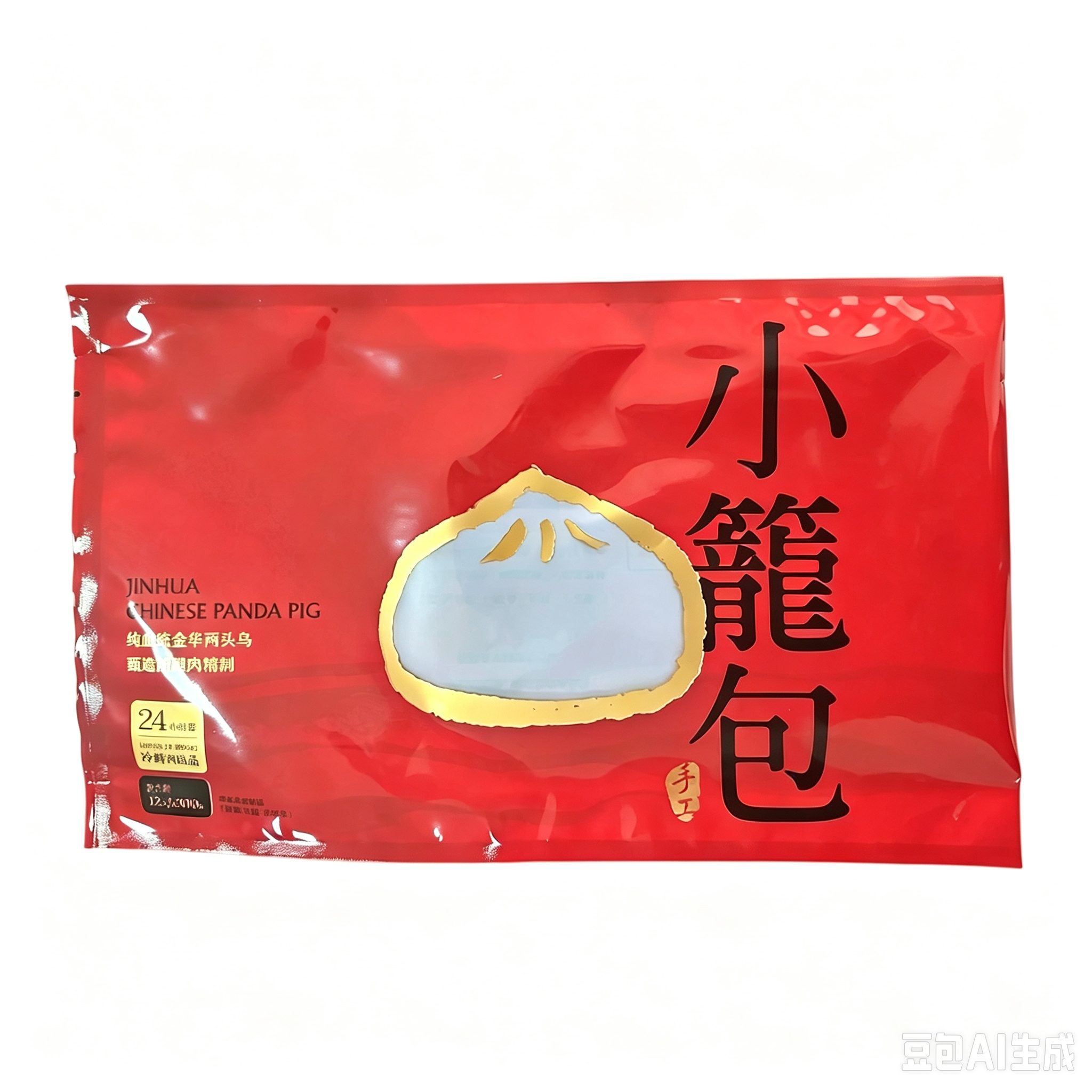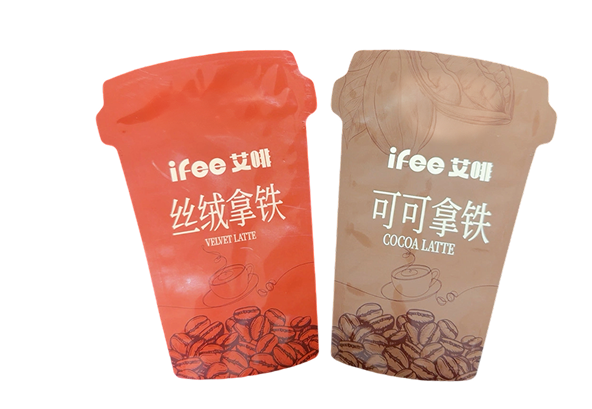
Roll film can be understood as "finished bags that have not yet been cut and sealed." It's a series of rolls of flexible packaging material, a core intermediate product connecting packaging and printing plants with automated production lines.
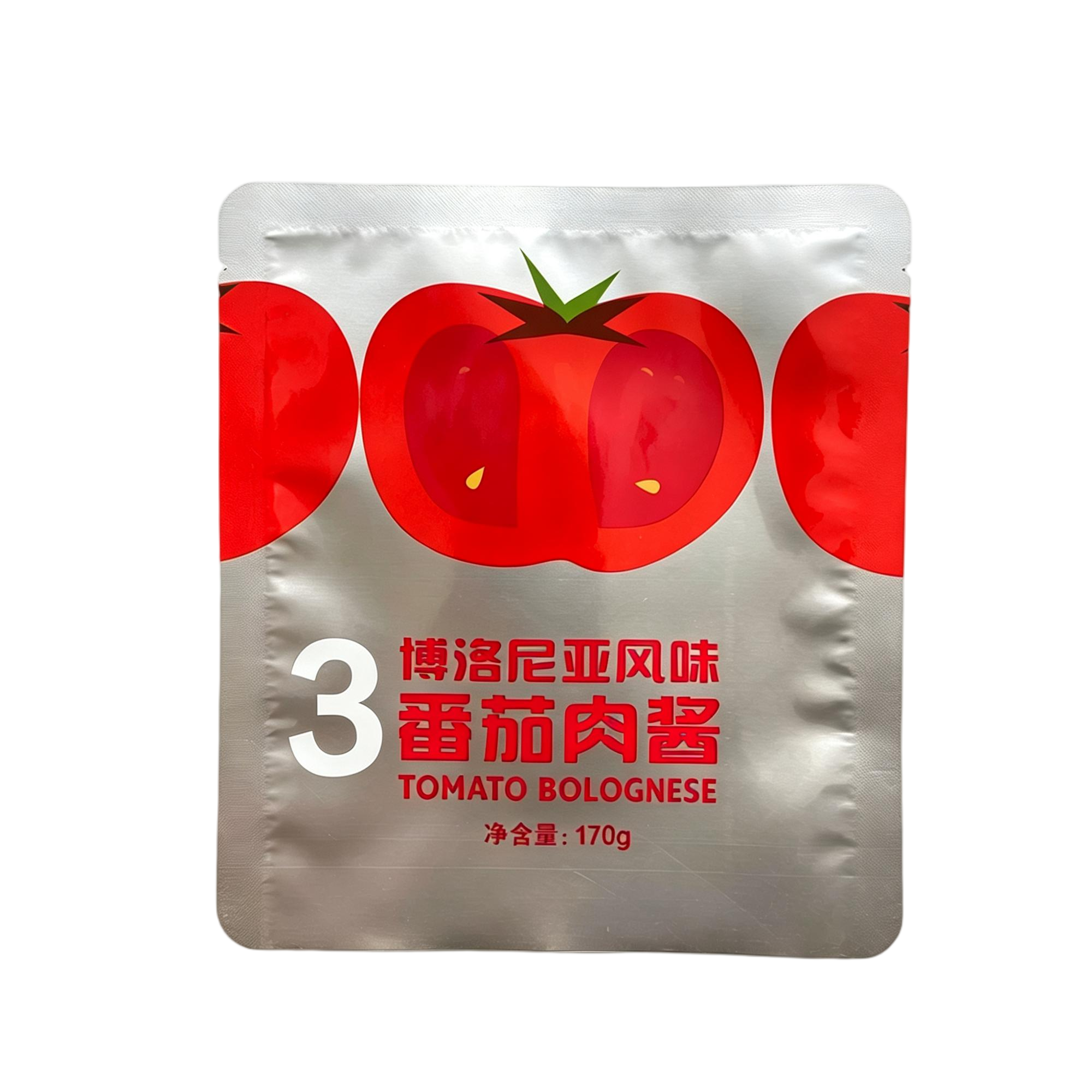
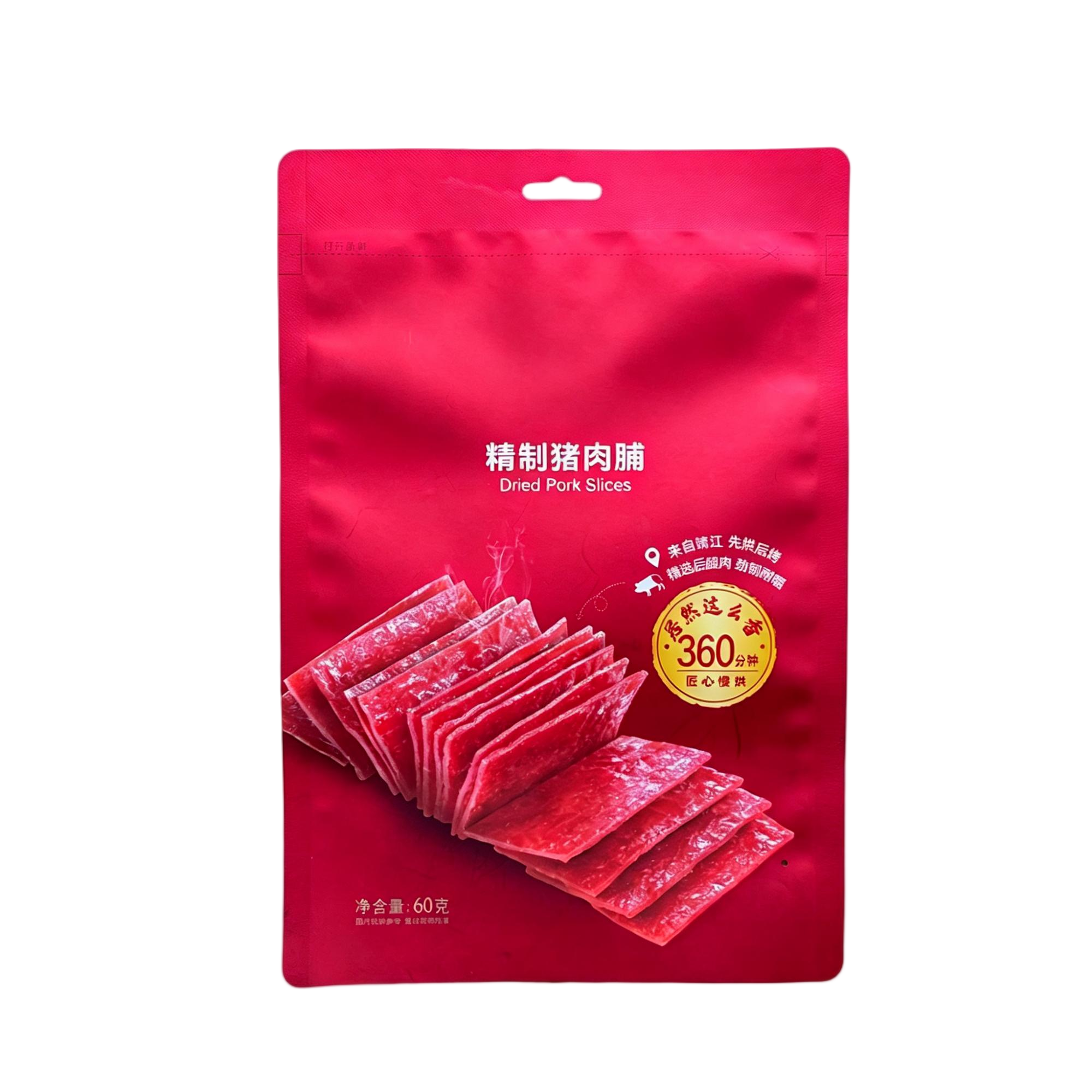
Simply put, bags are the final form of roll film, while roll film is the "semi-finished" state of bags.
Core Advantages
Cost Reduction and Efficiency Improvement: Roll film can be directly used on automatic packaging machines, integrating filling, sealing, and cutting, eliminating the bag-making process and significantly improving production line efficiency.
Reduced Overall Costs: Eliminating intermediate processes, and transporting rolls saves space and freight compared to finished bags.
Suitable for High-Speed Automation: Designed specifically for high-speed automatic packaging, it can precisely control parameters such as tension and temperature, ensuring stability during high-speed operation.
Common Materials and Applications
The performance of roll film is determined by the composite material. Common structures include:
BOPP/VMCPP: High heat-sealing strength and good barrier properties. Commonly used for snacks, biscuits, seaweed, etc.
PET/AL/PE: Excellent oxygen barrier, moisture-proof, and light-blocking properties. Commonly used in coffee, tea, milk powder, and pharmaceuticals.
• PET/VMPET/PE: A cost-effective barrier solution. Commonly used in puffed foods and flavorings.
• PET/PE: Transparent and strong. Commonly used in daily chemical and general food packaging.
• NY/PE: Puncture-resistant and low-temperature resistant. Commonly used in frozen foods and bone-in meat products.
• Other materials: Includes paper, CPP, etc.
Besides general food packaging, roll film is also widely used in pharmaceuticals (granules, powders), daily chemicals (wet wipes, laundry detergent), and cup lid sealing.
In short, roll film is the "industrial food" of modern high-speed packaging. Choosing the right roll film not only ensures efficient production line operation but also serves as the first line of defense for product quality.