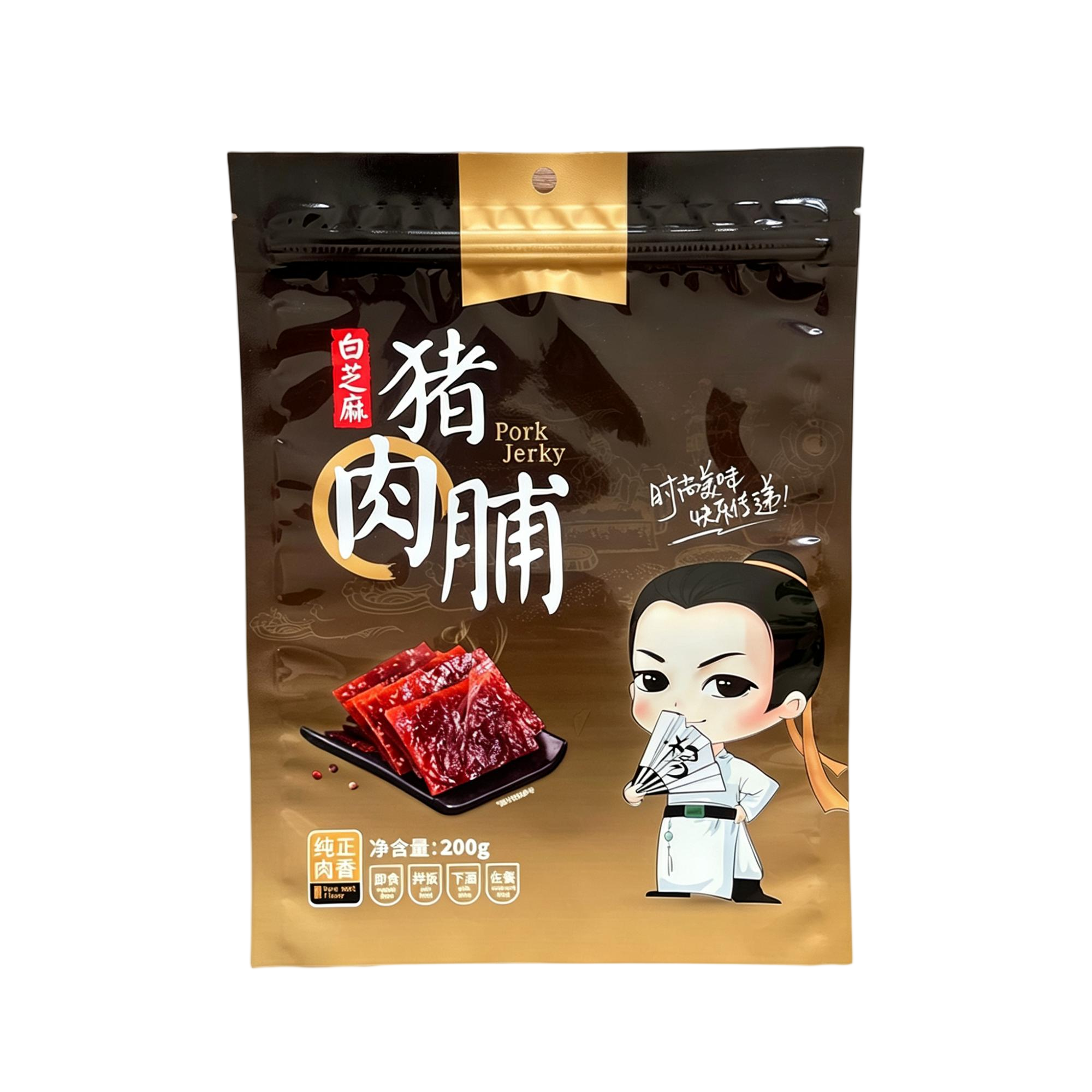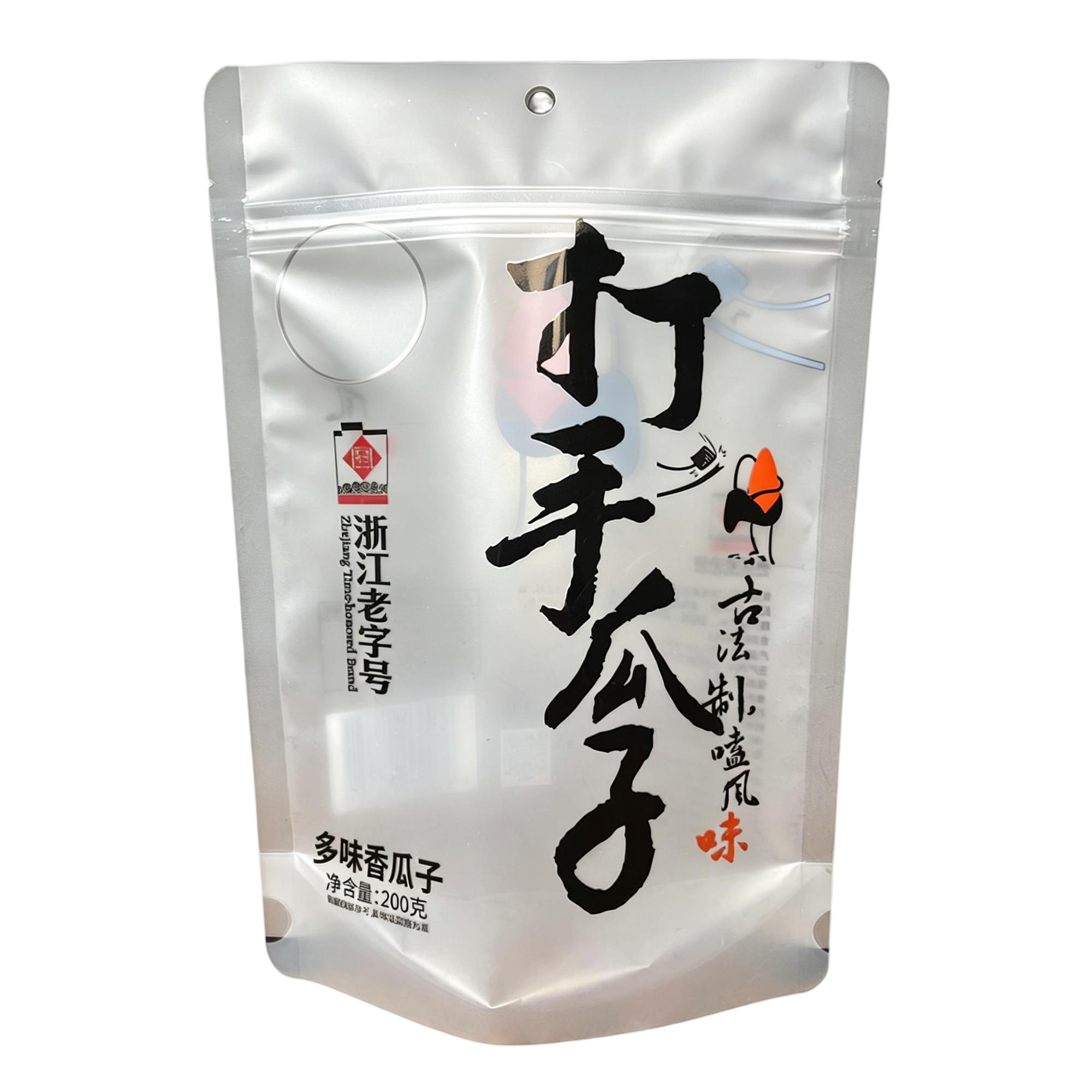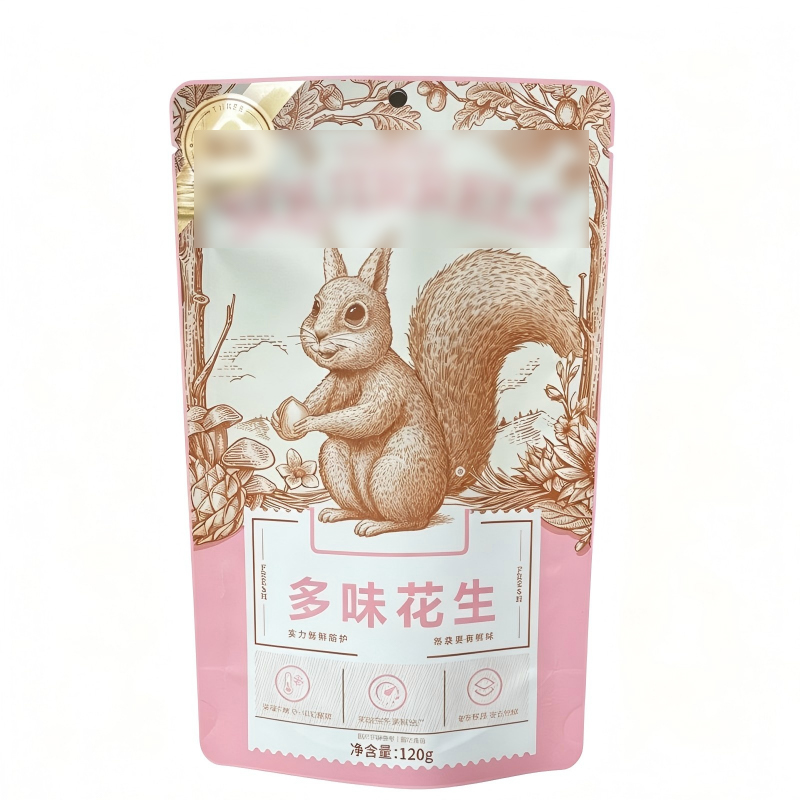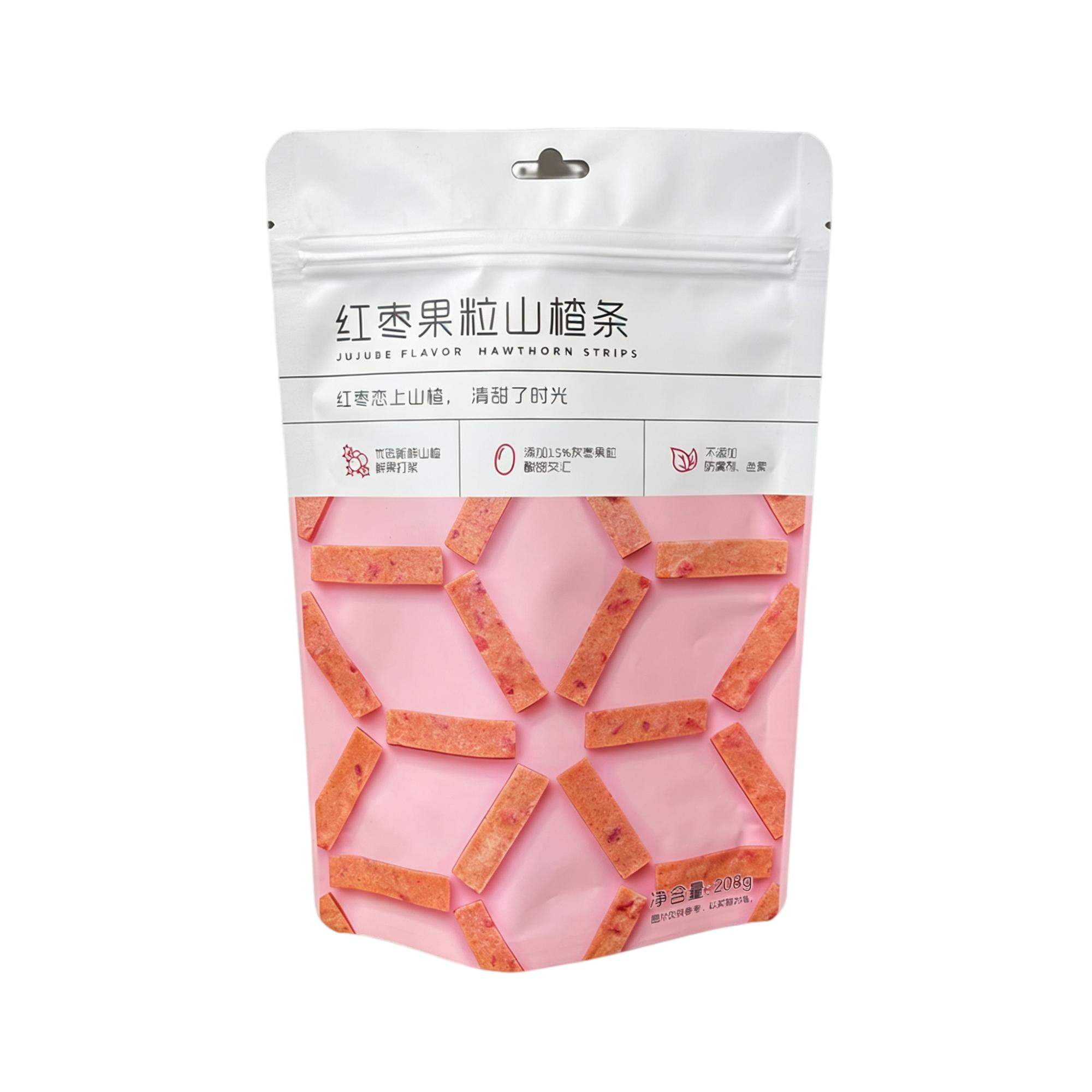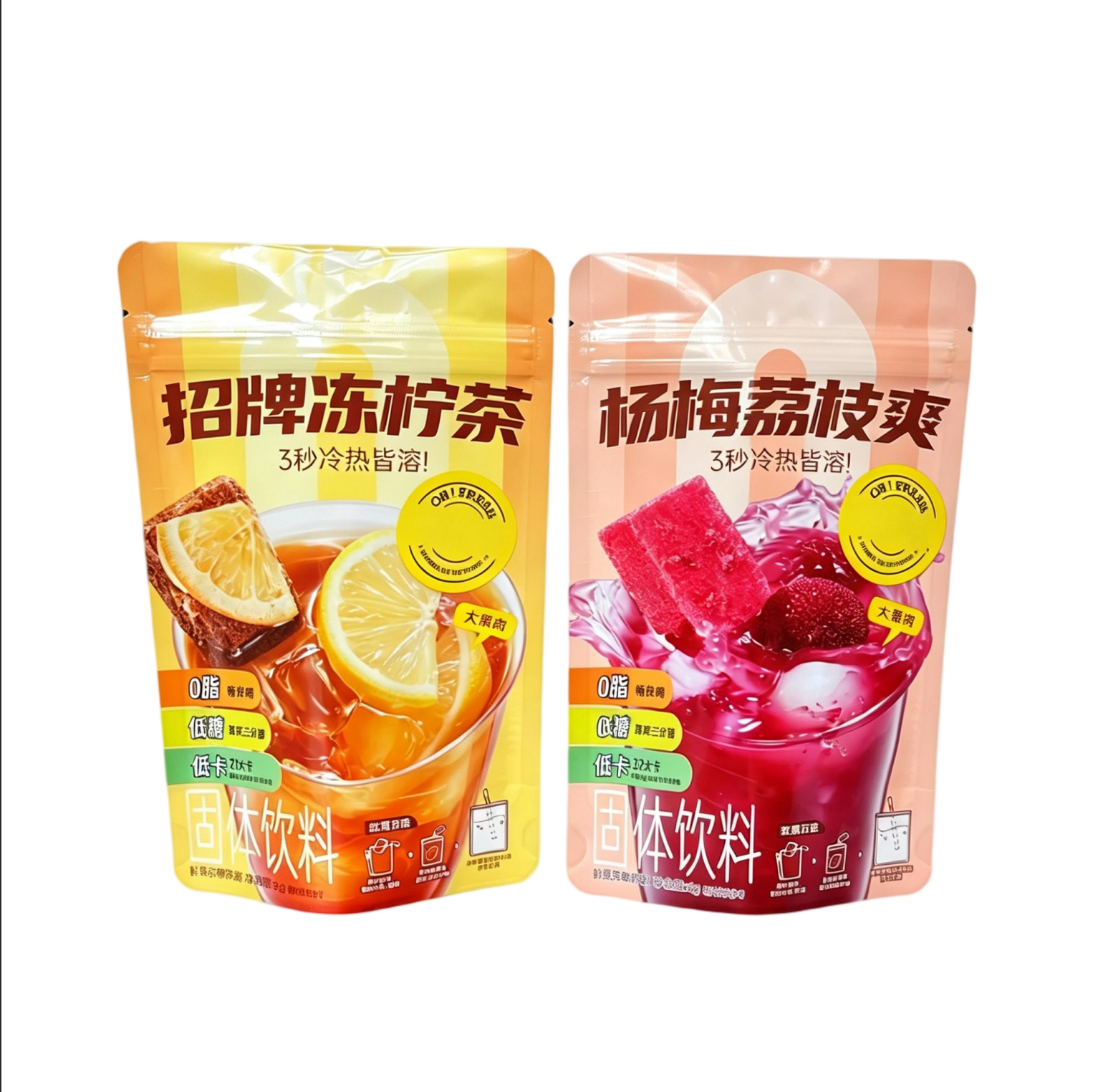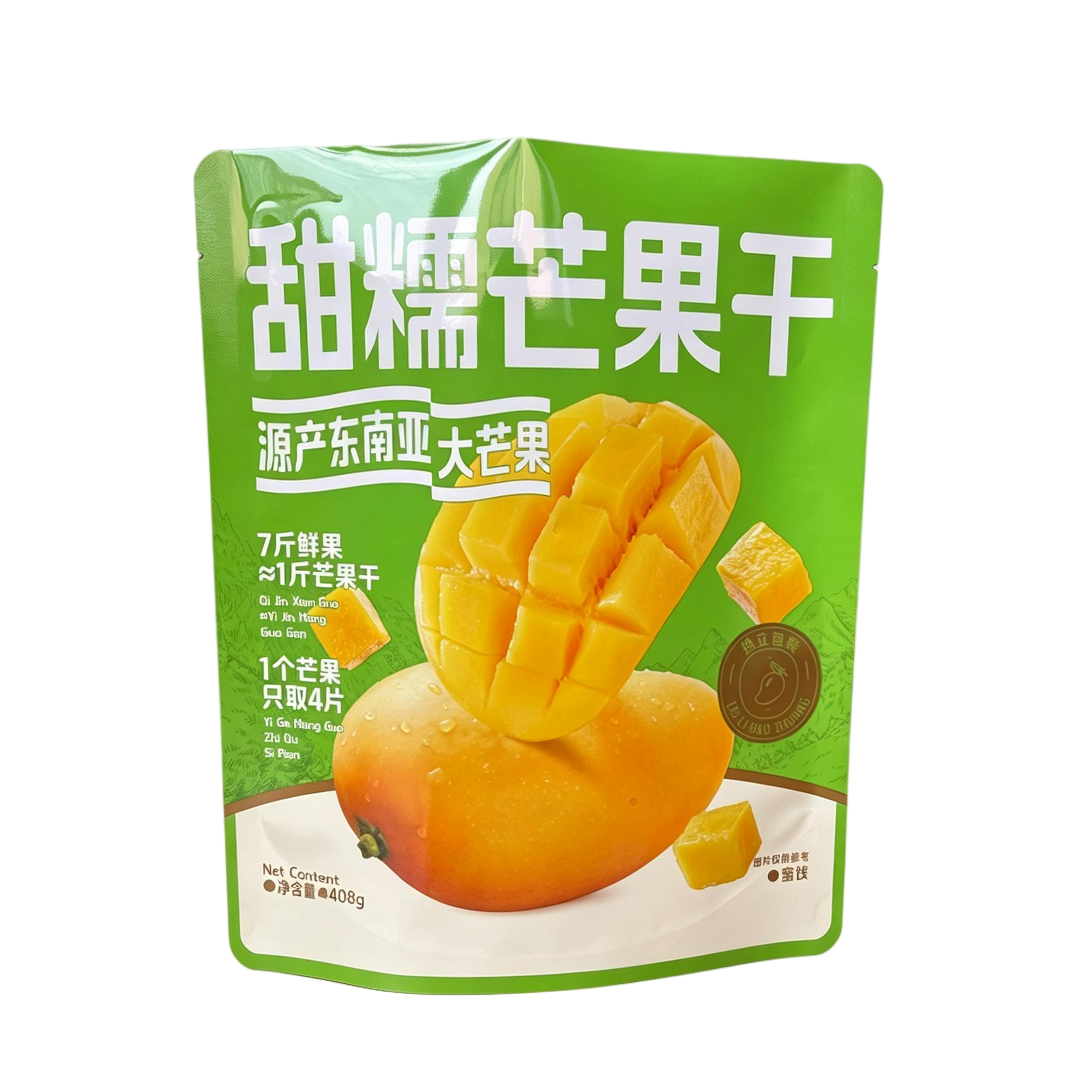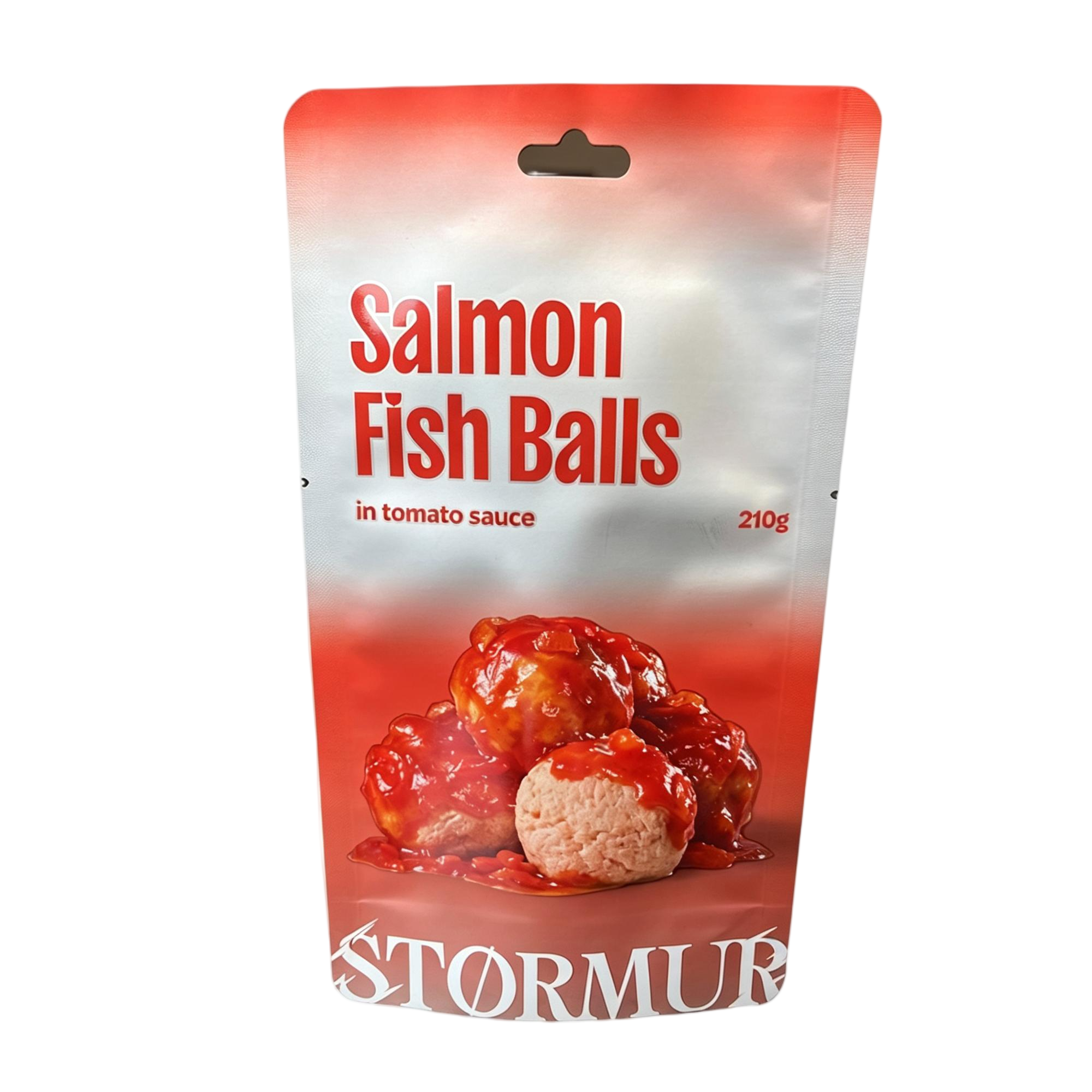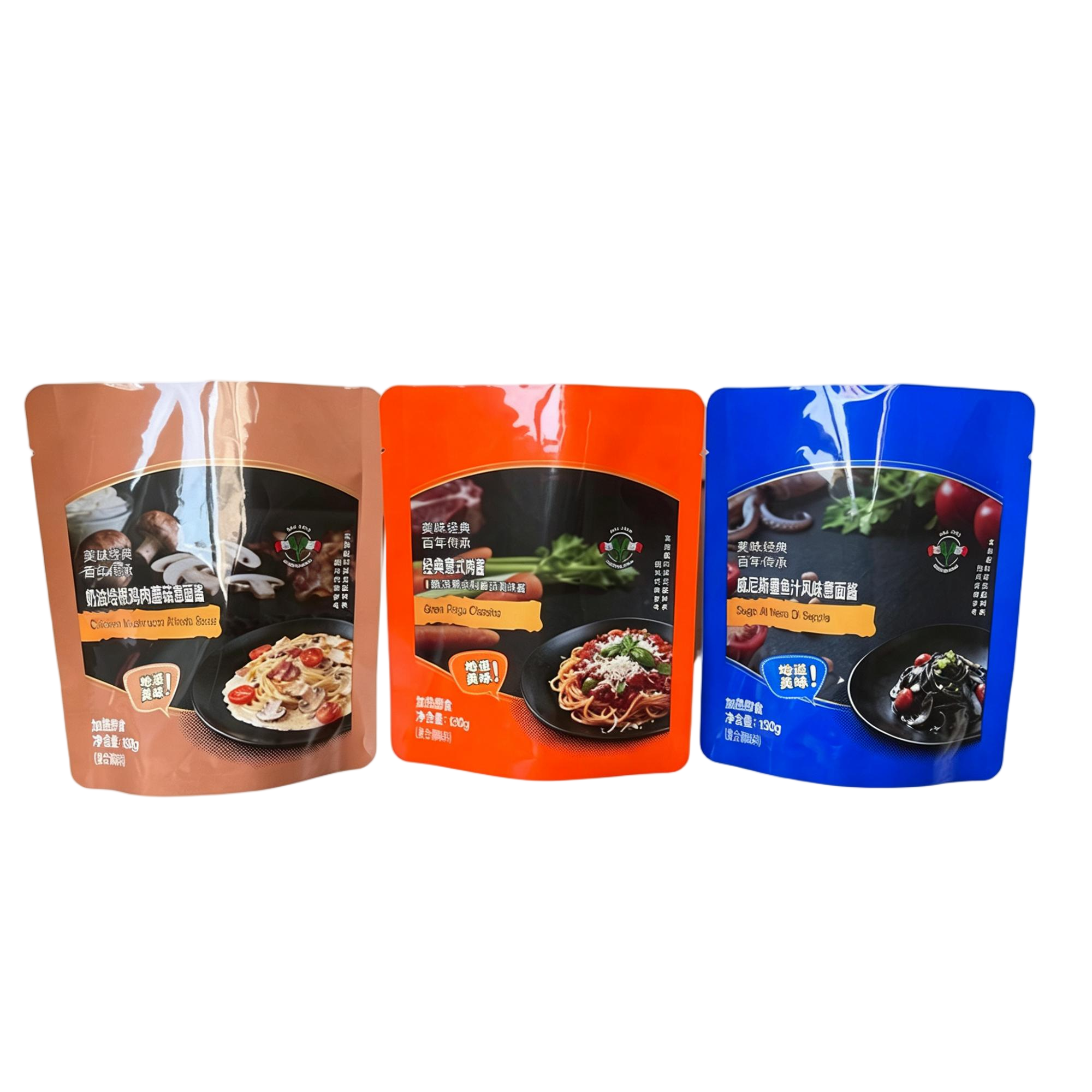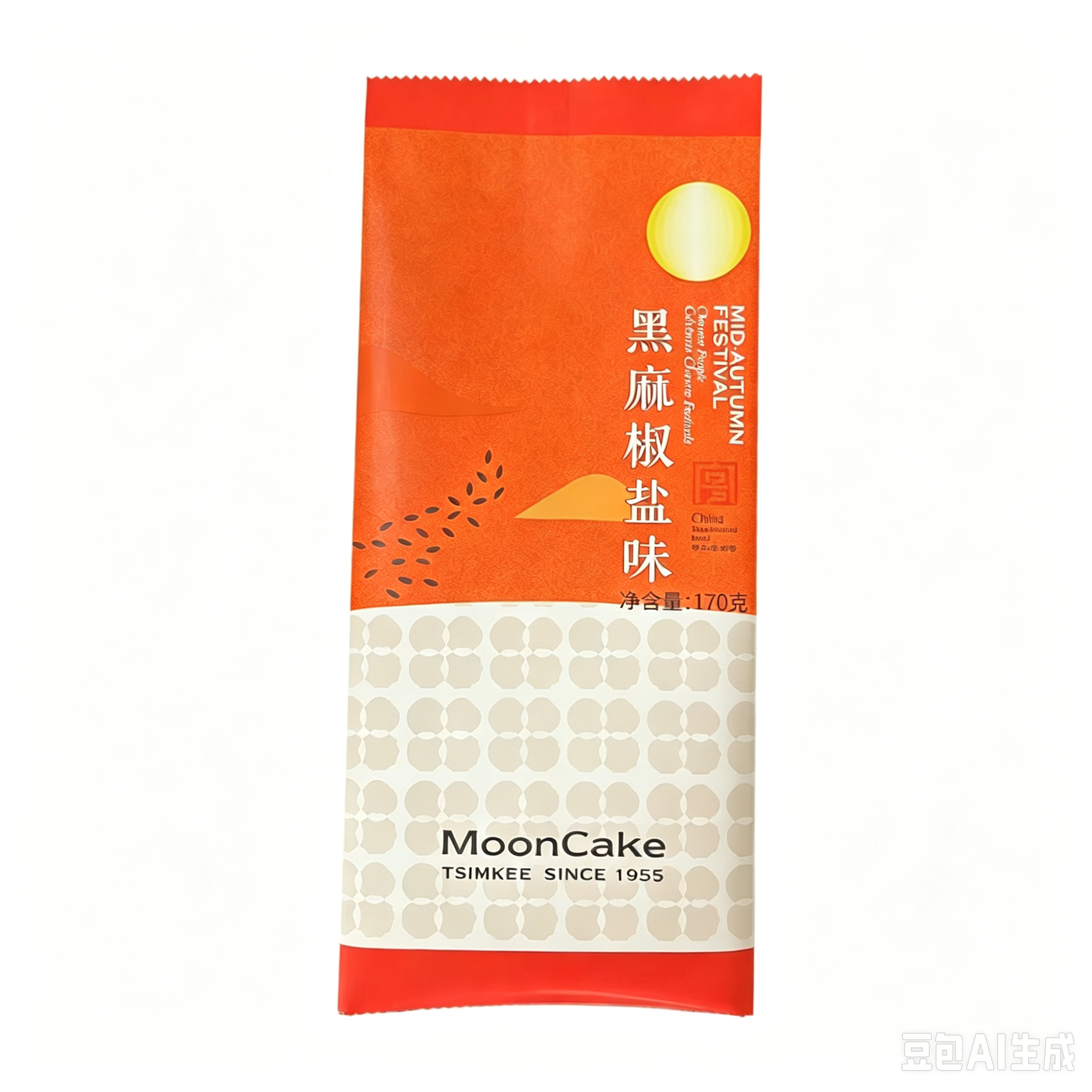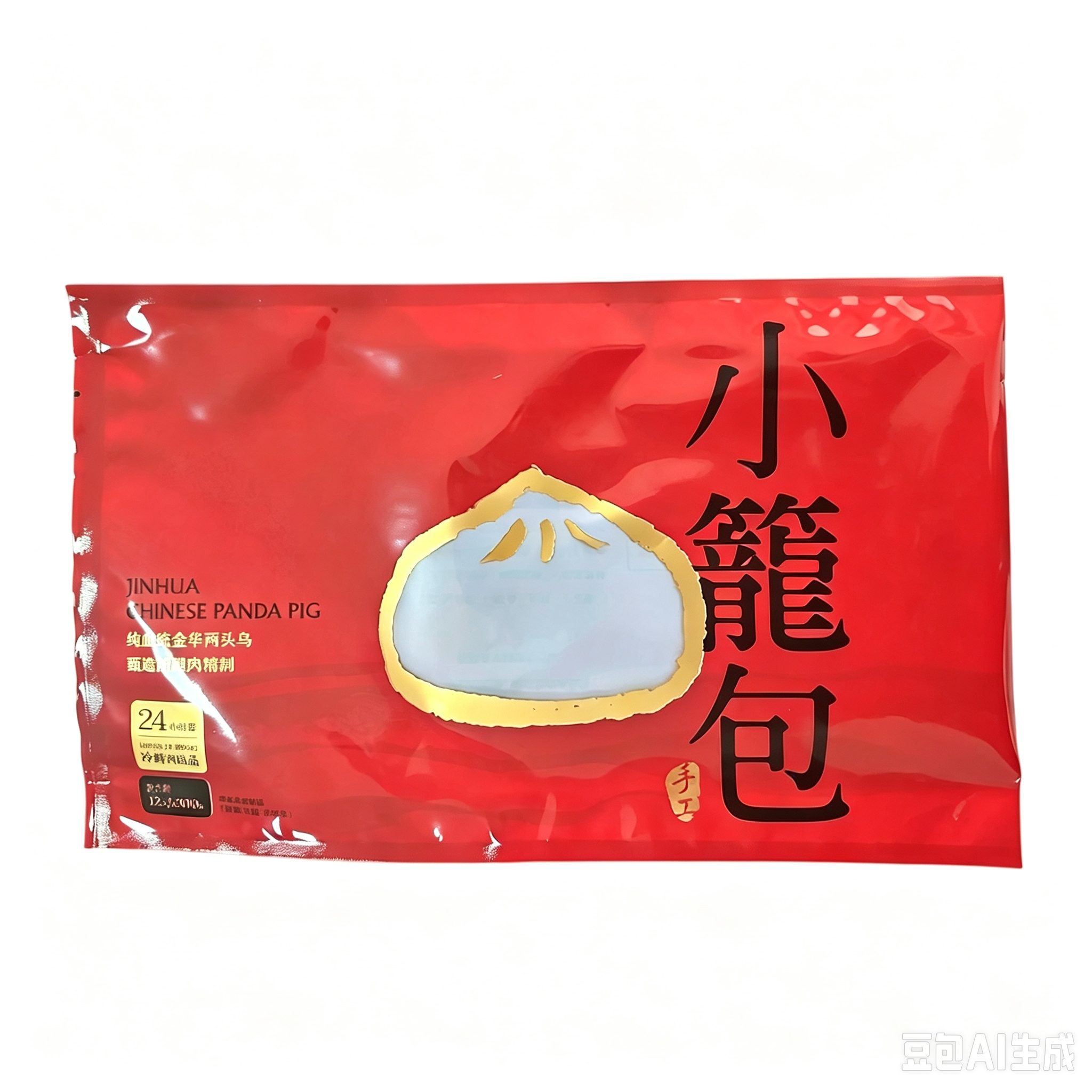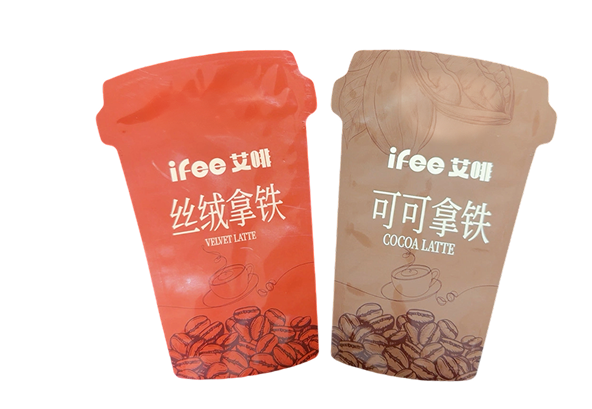
Accordion bags, sometimes called pleated bags or gusseted bags, are essentially an upgraded variation of the standard gusset bag. While retaining the advantages of standard gusset bags, they achieve a balance between capacity and aesthetics through a unique structural design.
What is a gusseted bag?
The most obvious difference between it and a regular gusset bag (pillow bag) lies in the structure of its sides:
* Regular gusset bag: Both sides are flat and sealed.
* Gorilla bag: The two sides fold inwards, forming an "M"-shaped fold. This fold, when unfolded, resembles the bellows of an accordion, hence the name.
Core Advantages
* Flexible and spacious: The unique M-shaped fold automatically unfolds after products are placed inside, increasing capacity by more than 50% compared to a flat bag of the same size.
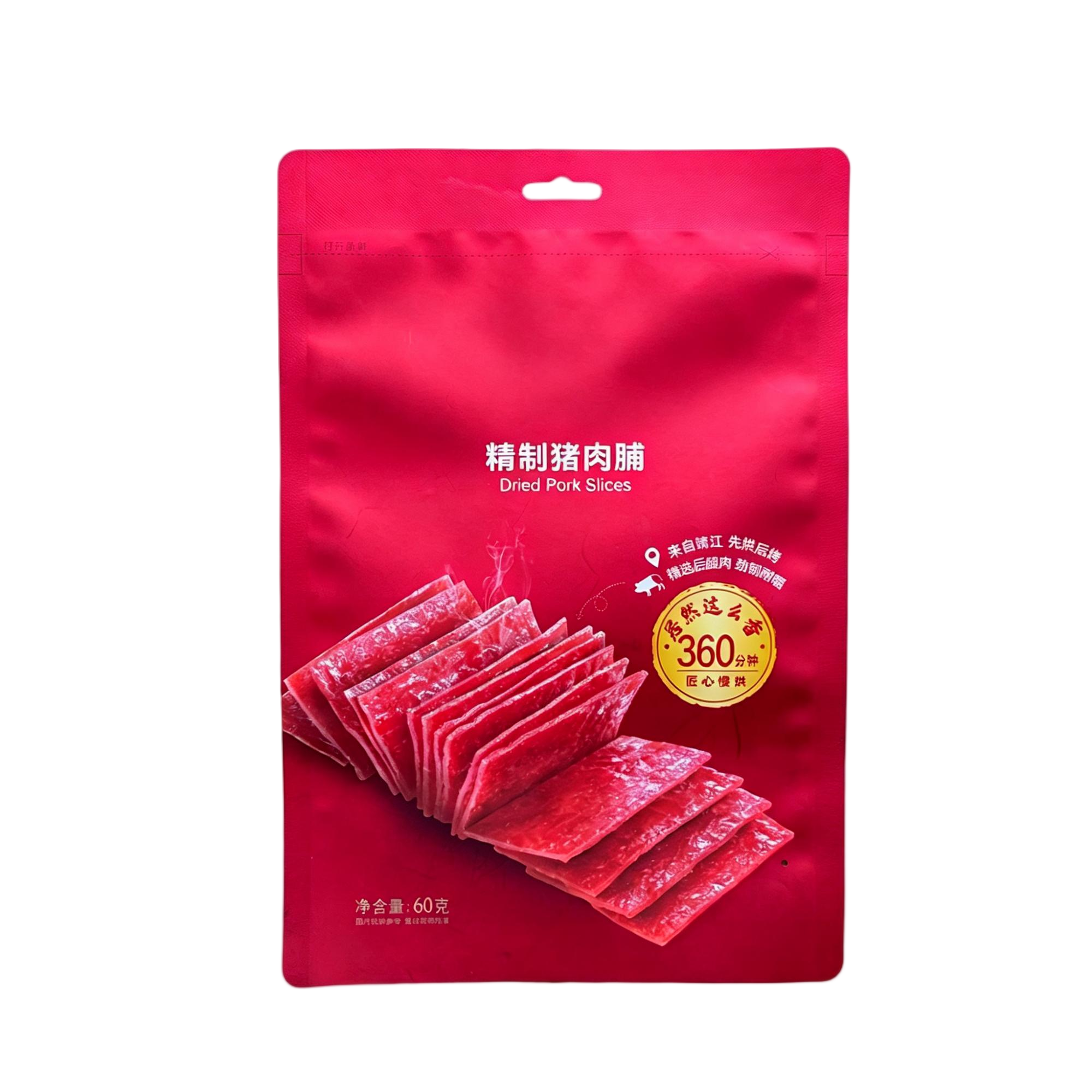
* Beautiful and with complete design: The seal is on the back, allowing the front design to remain continuous; meanwhile, the folded sides keep the bag sturdy and stylish.
• Saves storage space: When empty, the bag can be flattened for storage, significantly reducing storage and transportation costs.
• Enhanced damage resistance: The seal is on the back, allowing the sides of the bag to withstand greater pressure and reducing the likelihood of breakage.
Common Materials and Applications
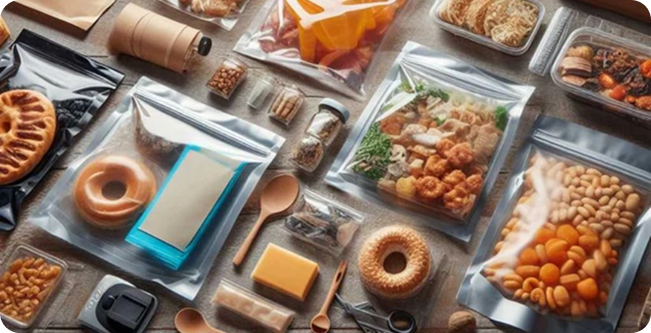
• Suitable Products: Particularly suitable for tea packaging, and also widely used for bread, frozen foods, noodles, knife-cut noodles, coffee beans, grains, and chemical powders.
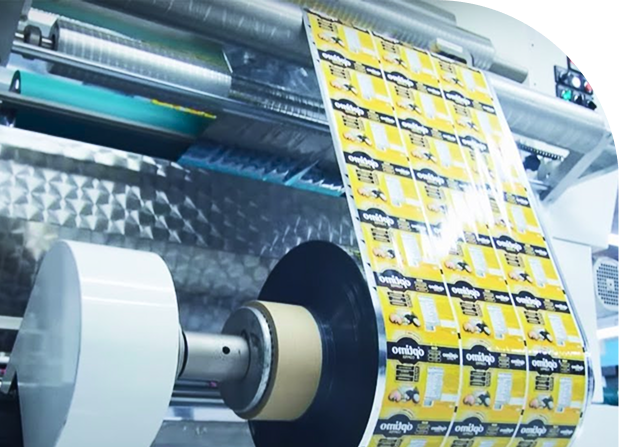
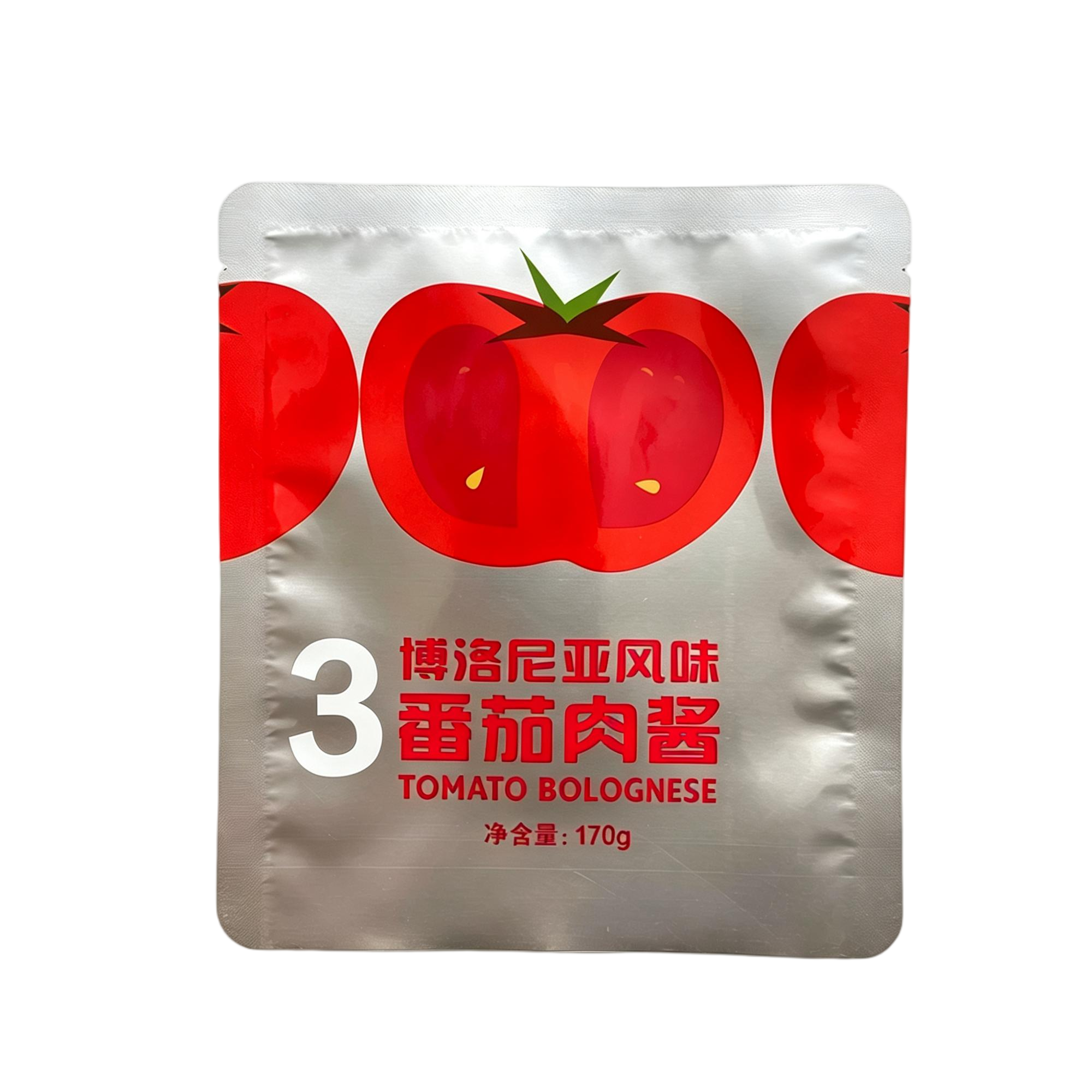
• Common Materials: Customizable to meet specific needs. Common structures include aluminized composite film, aluminum foil, and nylon-coated PE, to achieve different functions such as moisture protection, light protection, and vacuum sealing.
In summary, back-seal gusseted bags cleverly combine the aesthetics of back-seal bags with the capacity of a gusseted structure, making them ideal for customers who value both packaging quality and the ability to carry a certain volume of product.